A medium or large company sees real AI opportunity, but business case, readiness gaps, education needs, governance model, and build path are not aligned.

AI investment clarity and ranked opportunity maps
Consulting / Managed Services
Know where AI will create value before buying more tools.
Pulse consulting starts with AI Opportunity Review: rank the operating areas worth pursuing, show readiness gaps, name source and governance needs, and turn the best opportunity into a practical implementation or managed support plan.
Where to start
See what Pulse can automate
Which company-stage question should the first deliverable answer?
Choose assessment, education, architecture, consulting, partnered build-out, Managed Field Services, or management based on the next decision.
A practical output should show systems, sources, stakeholders, review owners, delivery surfaces, decision boundaries, acceptance criteria, and management cadence.
Evidence, public claims, source authority, customer or staff readiness, and ongoing ownership stay reviewed.
See it in action
AI Opportunity Review walkthrough
A narrated walkthrough of how the consulting method turns broad AI ideas into assessed opportunities, operating designs, implementation steps, governance rules, and improvement cadence.
A walkthrough of the workflow workshop method: assessment, education, consulting, partnered build-out, Managed Field Services, and management.
What Pulse starts with
Inputs for an AI Opportunity Review
A useful first pass connects business priorities, operating examples, systems, source assumptions, review owners, delivery surfaces, readiness gaps, education needs, implementation options, managed support needs, and the management cadence required after launch.
AI Transformation assessment
Education
Architecture blueprint
Consulting
Partnered build-out
Managed Field Services
Source assumptions and review owners
Management cadence

Assistant capability
Consulting Scope Planner
Executive-practical, evidence-led, and suitable for medium and large companies.
Consulting services planner
Executive sponsor and operating owner
Business priorities, department workflows, source-system context, stakeholder concerns, governance boundaries, and management needs supplied for the assessment.
Commercial scope, public claims, regulated work, integration access, customer-facing language, and management commitments route to the sponsor and Pulse consulting team.
Allowed
- Help choose assessment, education, consulting, partnered build-out, Managed Field Services, or management as the next deliverable.
- Map business priority, sponsor, source list, readiness gaps, governance concerns, and build expectations.
- Route the first transformation question to consulting intake.
- Clarify what evidence or review is needed before public claims or production rollout.
Stops and handoffs
- Guarantee ROI, invent customer stories, or imply unapproved connected-system assumptions.
- Approve public claims, regulated workflows, or customer-facing automation.
- Replace sponsor, IT, data, reviewer, or operating-owner decisions.
Turn one transformation question into a recommended consulting deliverable by naming business priority, stakeholders, sources, readiness gaps, governance concerns, operating decisions, build expectations, and management needs.
How it works
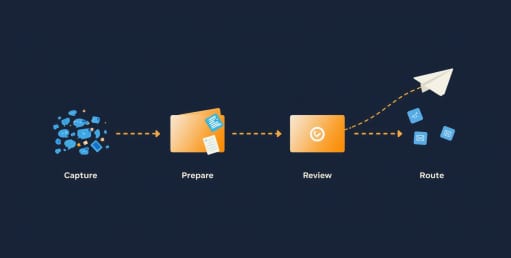
From signal to reviewed next step
- 01
Assessment
Name whether leaders need clarity, shared language, operating design, build support, field-service management, or post-launch cadence.
- 02
Workflow Education
Create the shared language executives, operators, reviewers, and builders need before choosing tools.
- 03
Architecture Blueprint
Show systems, sources, review owners, delivery surfaces, phased build path, acceptance criteria, unresolved decisions, and management cadence.
- 04
Continued Management
Keep evidence, public claims, customer or staff readiness, ongoing ownership, issue review, and improvement cadence visible.
Example in plain English
AI Opportunity Map
A practical consulting output should rank opportunities, show readiness gaps, name systems and reviewers, and explain the next decision each option unlocks.
What Pulse helps with
Choose the deliverable, then the work

A 2-week opportunity assessment
Leave with a clear view of opportunity, readiness, risks, data posture, governance needs, and the first practical investment path.
View A 2-week opportunity assessment
Team education and shared language
Get executives, operators, reviewers, IT, data teams, builders, and adoption leaders speaking the same governance language before the work starts.
View Team education and shared language
A workflow and governance design
Map systems, sources, review owners, delivery surfaces, source limits, and a phased implementation path before anyone builds.
View A workflow and governance design
Decision support without a build yet
Work through operating decisions, governance design, stakeholder alignment, vendor or build choices, and next-step priorities.
View Decision support without a build yet
A partnered build
Build the first workflow area with a partner: source boundaries, review rules, acceptance criteria, and hands-on implementation support.
View A partnered build
Managed field-service operations
Run field-service operating models with management cadence, service ownership, and issue review, separate from the Field Service OS portal.
View Managed field-service operationsOngoing managed operations
Keep the operating rhythm owned after launch: cadence, measurement inputs, issue review, and continuous improvement.
View Ongoing managed operationsExamples to review together
Transformation examples without overclaiming
When live customer evidence is not appropriate to publish, Consulting / Managed Services can still use proof-labeled redacted examples, field lists, sample assessment excerpts, education outlines, architecture blueprint excerpts, pilot plans, source checklists, review rules, implementation briefs, and explicit evidence requirements.

Mock example: assessment deliverable structure
Redacted example: readiness and governance excerpt
Sample deliverable: source checklist, review rules, and pilot plan
Pilot planning example: build-out scope and management rhythm

What stays reviewed
Evidence review teams can inspect
The transformation plan makes evidence, decisions, governance, and public claims visible before build-out reaches teams, customers, or staff.
Walkthroughs align the team on opportunity, readiness, source material, governance, and review boundaries.
Commercial scope follows assessment depth, education needs, build-out complexity, and management support.
Named customer evidence needs permission, source support, and reviewed wording.
References to connected systems stay under review, example-only, customer-cleared, or approved for public use before appearing as proof.
Named AI frameworks stay out of public examples unless source docs approve them for the specific offer.
Human specialists back up automated paths, own sensitive judgment, and keep escalation rules visible in the operating design.
Enterprise guardrails are framed around the organization's actual regulatory environment, evidence needs, source access, and reviewer ownership.
Customer examples are redacted or replaced with representative assessment and build-out notes when privacy matters.
Start requests ask for business goals, workflows, departments, source access, sponsor, build expectations, and management needs.
Next steps
Choose the next useful action



Buyer clarity
Consulting / AI Opportunity Review buying questions answered in one place.
Use this section to confirm fit, expected deliverable, proof standard, existing-tool fit, and what remains human-owned.
Buying snapshot
Consulting / AI Opportunity Review: what a buyer should know before contacting Pulse.
A concise buying frame keeps the page tied to fit, artifact, scope, timeline, and accountable review before the next conversation.
Best forBuyer
Founders, owners, executives, transformation sponsors, and department leaders deciding where AI should create value.
Start withFirst use case
One company-stage question where the team needs assessment, education, architecture, build support, or managed cadence.
You receiveArtifact
Opportunity map, engagement recommendation, sample writeup, source checklist, review rules, or management cadence.
What to sendInput
Business priority, current process, source examples, stakeholder concerns, desired outcome, sponsor, and reviewer.
Human-ownedDecisions
Investment decisions, public claims, sensitive judgment, customer-facing use, source expansion, and build prioritization.
TimelineTypical first step
Assessment can start from one company-stage question; larger engagements depend on source access and stakeholder availability.
Pricing scopeDrivers
Assessment depth, workflow count, education needs, source access, build complexity, managed support, and management model.
Proof-safe example
Inspect the artifact before trusting the claim.
Pulse proof should start with redacted or sample source material, a concrete artifact, and the human decision that remains outside automation.
InputSafe example
A business priority with current process notes, examples, sources, and stakeholder concerns.
ArtifactPrepared output
AI Opportunity Map or sample writeup showing opportunity, readiness, evidence, review boundary, and next decision.
ReviewWhat people decide
The sponsor decides whether to assess, educate, consult, build with a partner, or manage the cadence.
Existing-tool fit
Pulse works around the systems you already use.
The practical question is what stays in the current system, what Pulse drafts for owner review, and where automation must stop.
KeepExisting tools
Keep current systems, vendors, data platforms, and operating processes until the assessment proves what should change.
Use Pulse forReviewed handoffs
Use Consulting / Managed Services to rank opportunities, align stakeholders, define governance, and shape build paths.
Do not use Pulse forBoundary
Do not start with generic AI brainstorming, unsourced ROI claims, or a build before the decision and evidence are clear.
Sample briefPulse Services
Get a sample operating brief for your industry in your inbox.
One readable summary, sourced and routed to a named review owner. We'll send the variant that matches the operating pain you have today.
Check your inbox — your sample operating brief is on the way.
We couldn’t capture that. Email hello@pulsebusiness.ai instead.
One brief, no spam.
Next step
Leave with the opportunity map before the build plan.
Bring the company-stage question, source material, sponsor, review boundary, systems, delivery surfaces, and whether the need is assessment, education, implementation planning, managed operations support, or ongoing management.